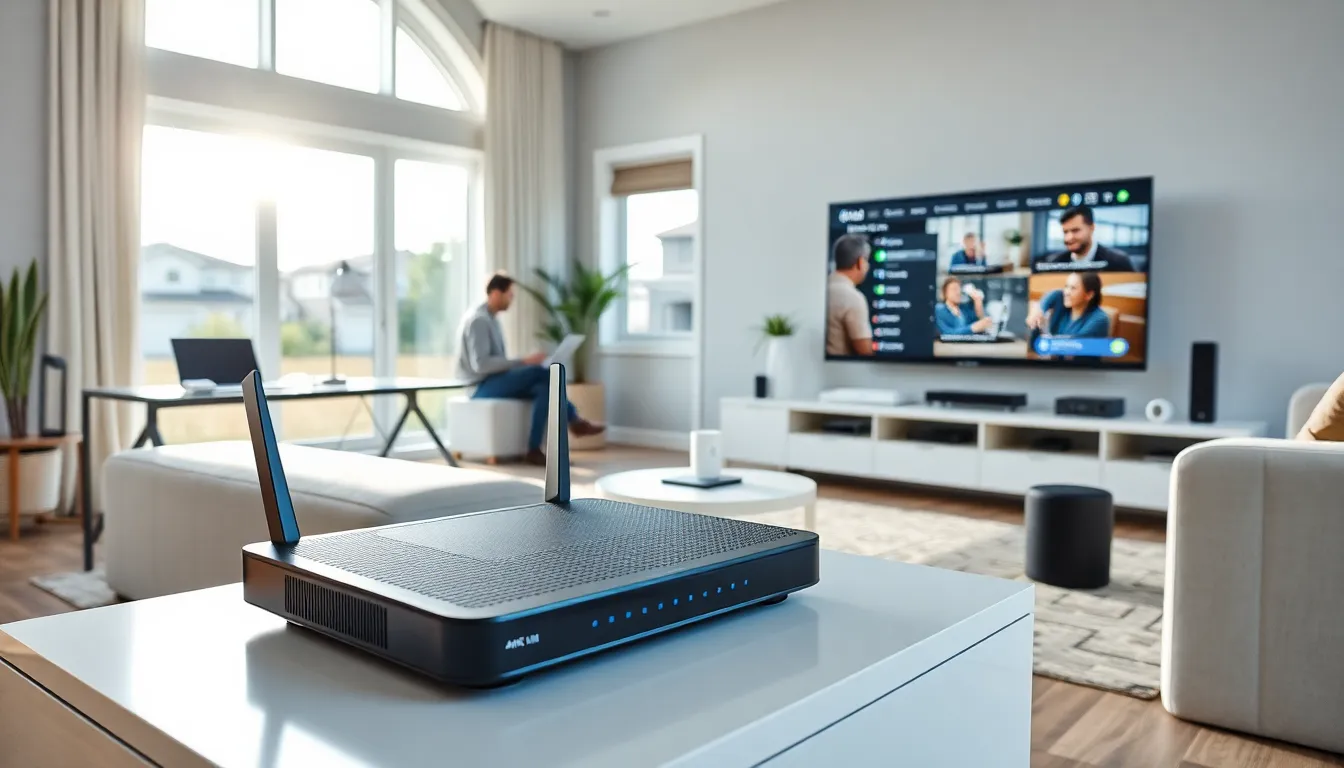

Top home networking has become essential for modern households. Streaming 4K video, working remotely, and connecting smart devices all demand stable internet. A weak Wi-Fi signal or outdated equipment creates frustration fast. The good news? Building a reliable home network doesn’t require a computer science degree. This guide covers the key components, router choices, mesh system comparisons, and practical tips to boost performance. Whether someone lives in a studio apartment or a three-story house, these solutions help create consistent connectivity throughout every room.
Table of Contents
ToggleKey Takeaways
- A top home networking setup requires understanding core components: modem, router, ethernet cables, network switches, and access points.
- Wi-Fi 6 and Wi-Fi 6E routers handle more devices with faster speeds—choose based on home size, device count, and budget.
- Mesh systems outperform traditional routers in homes over 2,500 square feet or with multi-story layouts and thick walls.
- Position your router centrally and elevated, away from microwaves and thick walls, to maximize signal coverage.
- Use the 5 GHz band for speed-demanding devices like laptops and streaming sticks, and 2.4 GHz for smart home devices farther from the router.
- Regular firmware updates and monthly router restarts help maintain security and optimize network performance.
Essential Components of a Home Network
A solid home networking setup starts with understanding its core parts. Each component plays a specific role in delivering internet to devices.
The Modem
The modem connects a home to the internet service provider (ISP). It translates the signal from the ISP into data that devices can use. Most ISPs provide a modem, but purchasing one separately often saves money on rental fees over time.
The Router
The router distributes the internet connection to multiple devices. It creates the Wi-Fi network and manages traffic between devices. Modern routers support Wi-Fi 6 or Wi-Fi 6E, which handle more devices simultaneously with faster speeds.
Ethernet Cables
Wired connections still matter for top home networking performance. Cat6 or Cat7 ethernet cables provide faster, more stable connections than Wi-Fi. Gaming consoles, desktop computers, and smart TVs benefit from direct wired links.
Network Switches
A switch expands the number of wired connections available. If a router has four ethernet ports but a household needs eight, a switch solves that problem. They’re affordable and easy to install.
Access Points
Access points extend Wi-Fi coverage without creating a separate network. They connect to the main router via ethernet and broadcast the same network name. Larger homes often need one or two access points to eliminate dead zones.
Best Router Options for Different Needs
Choosing the right router depends on home size, number of devices, and budget. Here are top home networking router picks for various situations.
Budget-Friendly Choice: TP-Link Archer AX21
The TP-Link Archer AX21 costs under $100 and supports Wi-Fi 6. It handles speeds up to 1.8 Gbps and covers homes up to 2,000 square feet. For apartments or small houses with 20-25 devices, it performs well.
Mid-Range Pick: ASUS RT-AX86U
The ASUS RT-AX86U suits gamers and streaming households. It offers speeds up to 5.7 Gbps with a dedicated gaming port for reduced latency. Coverage reaches about 2,500 square feet. The built-in security features protect connected devices from threats.
Premium Option: Netgear Nighthawk RAXE500
For large homes with heavy usage, the Netgear Nighthawk RAXE500 delivers. This tri-band Wi-Fi 6E router supports speeds up to 10.8 Gbps. It handles 60+ devices without slowdown. The price sits around $400, but heavy users find the investment worthwhile.
Best for Smart Homes: Google Nest WiFi Pro
Smart home setups need stable connections across many low-bandwidth devices. The Google Nest WiFi Pro integrates with Google Home and handles up to 200 connected devices. Its mesh capability also makes expansion simple.
Mesh Systems vs. Traditional Routers
The mesh vs. traditional router debate comes down to home layout and coverage needs. Each approach has clear advantages for different situations.
How Traditional Routers Work
A traditional router broadcasts Wi-Fi from a single point. Signal strength decreases with distance and obstacles like walls. Range extenders can help, but they often create separate networks and cut speeds in half.
How Mesh Systems Work
Mesh systems use multiple nodes placed throughout a home. These nodes communicate with each other and create one seamless network. Devices automatically connect to the nearest node as people move around. Top home networking mesh systems include the Eero Pro 6E, Google Nest WiFi Pro, and Netgear Orbi.
When to Choose a Mesh System
Mesh systems work best for:
- Homes over 2,500 square feet
- Multi-story buildings
- Houses with thick walls or unusual layouts
- Households where people use devices in many rooms
When a Traditional Router Suffices
A single router handles most needs when:
- The home is under 2,000 square feet
- Most internet use happens in one or two rooms
- Budget is a primary concern
- The router can sit in a central location
Cost Comparison
Traditional routers cost between $50-$400 depending on features. Mesh systems start around $200 for basic kits and reach $700+ for premium options. The per-node cost for mesh systems runs $100-$250.
Tips for Optimizing Your Home Network Performance
Even the best equipment underperforms with poor setup. These tips help maximize any top home networking configuration.
Position the Router Correctly
Place the router in a central location, elevated off the floor. Keep it away from microwaves, cordless phones, and thick walls. A router hidden in a basement corner will always struggle to reach upstairs bedrooms.
Update Firmware Regularly
Router manufacturers release firmware updates that fix bugs and improve security. Check for updates monthly or enable automatic updates if available. Outdated firmware leaves networks vulnerable and can cause performance issues.
Use the 5 GHz Band
Most routers broadcast on both 2.4 GHz and 5 GHz frequencies. The 5 GHz band offers faster speeds but shorter range. Connect devices that need speed (laptops, streaming devices) to 5 GHz. Use 2.4 GHz for smart home devices and items far from the router.
Set Up a Guest Network
A guest network keeps visitors’ devices separate from the main network. This protects personal devices and prevents guests from accessing shared files or printers. Most routers include this feature in their settings.
Restart Equipment Monthly
Routers and modems benefit from occasional restarts. This clears memory, refreshes connections, and can resolve slowdowns. A simple monthly reboot takes 30 seconds and often improves performance.
Consider QoS Settings
Quality of Service (QoS) settings let users prioritize certain devices or activities. Someone who video conferences for work can prioritize that traffic over someone else’s game downloads. This prevents one heavy user from slowing down everyone else.